Table Of Content
Dr. Jessica is also a reputable author and supplement reviewer, specializing in hair care products and ingredients. Her engaging and informative writing style makes complex topics accessible to a wide audience. Dr. Jessica is committed to assisting her readers in making well-informed decisions regarding their hair care routines in order to attain healthy, beautiful hair.
Understanding Your Hair Texture: A Comprehensive Guide

Caring for your hair is like taking care of a garden - you need to know the type of soil you're working with to help it bloom. These tiny bits of information that make you you are also at work deciding whether your hair is curly, straight, or somewhere in the middle. To understand how genetics impact hair texture, let's dive into the world of DNA and genes. It has a slight curl pattern that makes it susceptible to frizz.
Can I have more than one hair texture?

This might not seem like a huge problem at first glance, but a lack of moisture can become brittleness, which can easily lead to breakage. Be sure to deep condition and use hair treatments and masks,” recommends Elena. Everything that you do to your hair, whether it is brushing, combing, styling and more, can do damage. So, the less you fidget with your hair, the less damage it can incur. Because the zigzag coils are so tight, it makes them more prone to breaking and has less definition.
What is Hair Texture?
Textured hair, while beautiful, comes with its own unique set of care requirements. Maintaining healthy textured strands often means addressing dryness, avoiding breakage, and managing tangles and product build-up. The shape of the hair follicle plays a crucial role in determining hair texture. Straight hair typically grows from a round follicle, while textured hair comes from follicles that are more oval or asymmetrical in shape.
What is the definition of human hair texture?
Wash your hair and then dry your strands with a diffuser or air-dry your strands, then use a fine-toothed comb to comb through to create a picked-out texture. This article aims to delve into the defining characteristics, care strategies, and common misconceptions about textured hair, shedding light on its beauty and complexity. When brushing textured hair, it’s important to make sure you have the right tool(s) for the job. Textured hair can be more susceptible to breakage when treated with a heavy hand. “Never tug on wet hair, make sure you’re coming it through slowly and thoroughly to remove tangles,” recommends Elena.
To create soft, cascading waves, apply a heat protectant to your hair. Wrap sections of your hair around a large-barrel curling iron, holding for a few seconds before releasing. Once you’ve curled your hair, run your fingers through the waves to loosen them, and finish with a light-hold hairspray. The process of achieving textured hair involves strategic cutting techniques to create movement and depth throughout the hair.
You can also add a couple twists or braids in your hair to keep it out of your face while letting the rest of your hair flow freely. Instead, look into heatless styles and creative cuts to help you switch up your day-to-day look. Other protective styles like buns and twist-outs are great for protecting your hair from the elements and giving it a break from constant styling. 5) Flick your hair all the way over to one side, then flick it all the way over to the other side – repeat! This technique is great for lifting the roots and adding volume. Wear your hair where it naturally falls, so that the look is very effortless.
Flipping your parting to the side is an instant hack to make your textured bob look more voluminous. Laura Harrier's subtly textured bob has gentle, face-framing layers that give her lengths an effortless vibe. Never be without your favourite Boots products with our international delivery options. Foods that are high in protein and iron tend to make hair thicker. The genes that control hair thickness are passed down from parents to children. If one or both parents have thick hair, their children are likely to have thick hair.
Our commitment at Fully Vital is to empower you with products that not only protect but renew your hair's natural vigor. And when it comes to styling, be careful with the heat - too much can damage your straight locks. Each person's hair texture is often determined by the shape of their hair follicle.
Type 3C hair also has a lot of volume and bounce because of the springiness of its curls. The curls are tight enough that they can fit around a straw perfectly. If you have more defined waves or even ringlets, you probably have Type 2C hair. Type 2C hair has a slightly more coarse texture than the previous types in its family.
New York Law Requires Textured Hair Education for Cosmetology Students - BET
New York Law Requires Textured Hair Education for Cosmetology Students.
Posted: Sun, 03 Dec 2023 08:00:00 GMT [source]
This results in reduced frizz, enhanced shine and bouncy, defined curls without weigh-down. If you have 4A hair, then you have small and tight coils that resemble a zig-zag pattern. While other curl patterns may start mid-length, this coily texture begins at the scalp and continues through the ends. If you have defined waves and ringlets, chances are, you're working with type 2C hair. This texture is much more coarse than other textures in the type 2 family.
Fine hair has a small diameter, the medium has a medium diameter, and the coarse has a large diameter. The amount of visible hair on your head is also relative to your hair’s dimension. Someone with fine hair may have more strands of hair on their head than someone with coarse hair, but the individual with coarse hair will have thicker strands. There are so many products on the market, and it can be hard to know which one to choose.
Apply a smoothing serum before straightening to tame any frizz or flyaways. This makes your hair more prone to breakage and split ends.There are a few things you can do to improve the elasticity of your hair. If you have low elasticity, your hair doesn’t stretch very well and doesn’t spring back into place as it should. If you’re experiencing scalp oils, there are several ways to treat them. Another way is to take a strand of your hair and place it in a glass of water.
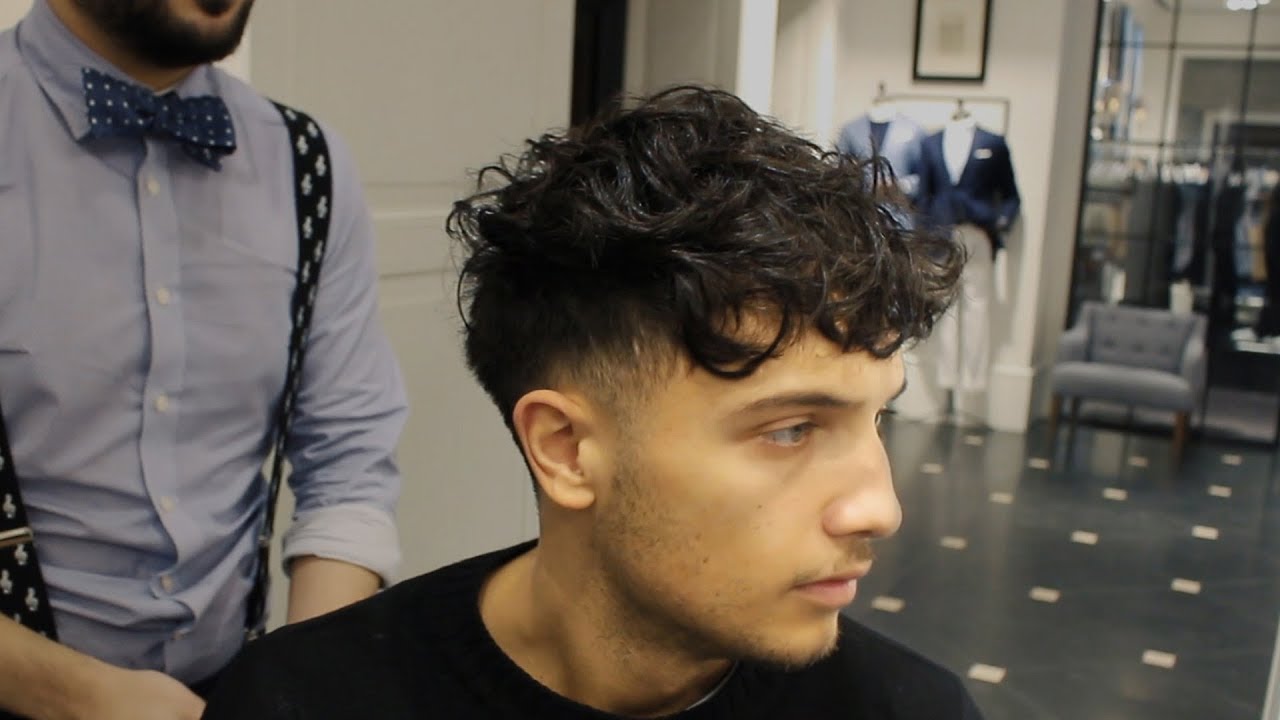
Whether we’re talking about hairstyles, products, makeup trends, styling tools, color mixtures, nothing about the beauty world is one size fits all. Each client you encounter will have a different hair type than the previous, just about as different as the personalities that come sit in your chair. To start at the beginning, the definition of textured hair is where strands create shape, like curves, spirals, zig zags or waves; hair is kinky, coily, curly or wavy. Knowing your hair’s texture means you can treat it correctly for its type and re-set your expectations of what can be achieved with it.



No comments:
Post a Comment